Boho Cat Macrame Planter: A Designer's Review
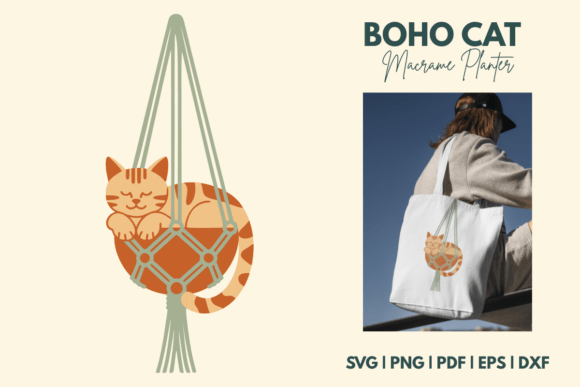
As someone who spends more time staring at stitch maps than most people care to admit, I approach every new machine embroidery design with a mix of curiosity and skepticism. We've all been there: you download a cute graphic, load it onto your machine, and halfway through the run, you realize the density is going to turn your soft jersey into a cardboard shield. That is why I took a close look at the Boho Cat Macrame Planter before committing it to any client projects. This isn't just about whether the image is adorable—though a sleeping ginger cat in a hanging pot certainly is—it's about how this specific illustration translates from a digital Graphics file into a tangible, durable, and sellable finished product.
First Impressions and Visual Personality
The moment I pulled up the preview for the Boho Cat Macrame Planter, the mood was immediate. It captures that cozy, earthy aesthetic that has dominated home decor and apparel trends for the last few years. The description mentions a "modern flat style," which is crucial for embroidery. Complex gradients and photorealistic shading often translate poorly into thread, resulting in muddy colors or excessive jump stitches. Fortunately, this design leans into clean lines and distinct color blocks, likely utilizing a combination of satin stitch for the outlines and fill stitch for the cat and pot areas.
The visual personality here is gentle and inviting. It feels less like a loud statement piece and more like a warm hug, making it an ideal candidate for items meant to bring comfort. The terracotta tones suggested in the description pair beautifully with natural fiber colors like cream, oatmeal, and sage green. For an Etsy seller or craft business owner, this kind of universal appeal is gold. It doesn't alienate customers with overly niche trends but still feels current and stylish.
Real-World Application: The Tote Bag Test
To truly evaluate this design, I imagined a specific real-life scenario: creating a limited run of custom tote bags for a local botanical shop. These bags needed to be sturdy canvas but soft enough to carry groceries without tearing. The Boho Cat Macrame Planter seemed like a perfect fit for this tote bag design project. The hanging nature of the macrame pot in the illustration naturally complements the vertical orientation of a tote bag panel.
In this context, the design shines. The sleeping cat adds a touch of whimsy that encourages impulse buys, while the plant element ties directly into the shop's branding. If I were stitching this on a 15x15 inch hoop, I would place it slightly off-center to mimic the organic drape of a real macrame hanger. The result would be a handmade product that looks professionally curated rather than mass-produced. Customers reacting to this on a craft fair table would likely associate the quality of the stitch-out with the quality of the shop itself, boosting brand trust.
Versatility Across Product Lines
Beyond tote bags, the adaptability of this embroidery project is impressive. I can easily see this working as sweatshirt embroidery on the left chest of an oversized crewneck. The compact nature of the cat and pot means it won't overwhelm the garment, offering a subtle nod to the boho lifestyle. It would also make a charming baby embroidery addition to a muslin swaddle or a nursery wall hanging, provided the thread choices are softened to pastels.
For those running a small shop product line, consider using this as an embroidered patch. Digitizing it as an applique or a dense fill with a merrowed edge could create a high-value add-on for jackets or backpacks. Even in the realm of holiday embroidery, swapping the terracotta pot for a festive red or adding a small holly accent could seasonalize the design without losing its core identity. The key is that the base illustration is strong enough to withstand these modifications.
Technical Considerations and Fabric Challenges
However, no design is without its challenges, and a responsible reviewer must address where the Boho Cat Macrame Planter requires caution. Because the design features a "hanging" element, there are likely long spans of stitching or delicate lines representing the macrame cords. On stretchy fabrics like thin cotton t-shirts or rayon blends, these areas are prone to puckering if the stitch density is too high or if the wrong stabilizer is used.
If you are planning to use this on a curved surface, such as a cap or hat, you need to be extremely careful. The flat style of the original Illustrations might not warp well over the front panel of a baseball cap. The macrame strings could distort, looking wavy rather than straight. In such cases, I recommend testing the embroidery file on a scrap piece of the exact same fabric first. Always check the underlay settings; a good mesh underlay is essential for stability on textured fabrics like towels or fleece.
Another critical factor is color contrast. The description highlights a ginger cat and terracotta pot. If you decide to stitch this on a dark navy or black garment, you must ensure your thread colors are vibrant enough to pop. A muted orange on a dark background might look muddy from a distance. Conversely, on white fabric, ensure the outlines are dark enough to define the shape clearly. Testing the design in black and white mockups before stitching can help you judge the contrast and clarity of the forms.
Maximizing Value and Professionalism
Ultimately, the success of the Boho Cat Macrame Planter in your inventory comes down to execution. When done right, this design elevates the perceived value of your items. It signals to the buyer that thought went into the selection of the art, not just the stitching. For commercial embroidery projects, consistency is key. If you are selling these as personalized gifts or boutique apparel, ensure that your tension and thread quality remain consistent across every unit.
This design has the potential to become a signature element for brands focusing on wellness, nature, or cozy living. It fosters recognition; once a customer sees that specific sleeping cat, they may associate it with your brand's aesthetic. This level of brand consistency is what turns one-time buyers into repeat customers.
Final Verdict and Designer Notes
Before you rush to stitch out a dozen items, here are my practical notes for working with the Boho Cat Macrame Planter:
- Test First: Always run a test stitch-out on scrap fabric that matches your final product's weight and texture.
- Check Licensing: Confirm the license terms attached to the digital embroidery file. Ensure you have the rights to use it for commercial sales if you plan to sell finished goods.
- Hoop Size: Verify the required hoop size against your machine's capabilities, especially if you plan to do all-over prints or large placements.
- Stabilizer Choice: Use a cut-away stabilizer for stretchy garments and tear-away for stable woven fabrics like tote bags or aprons.
- Detail Inspection: Zoom in on the digitized file to check for tiny details that might not stitch out cleanly, such as very thin macrame strands.
- Thread Match: Have a variety of orange and brown threads on hand to find the perfect match for the ginger cat and terracotta elements.
In conclusion, the Boho Cat Macrame Planter is a delightful addition to any designer's library. It bridges the gap between trendy digital art and tactile, high-quality embroidery. While it demands respect regarding fabric choice and stabilization, its charm and versatility make it a worthwhile investment for anyone looking to expand their range of custom apparel and home goods. With careful preparation, this design can be the star of your next successful collection.